Peak-Season Performance: Bolster Conveyor Efficiency When It Counts
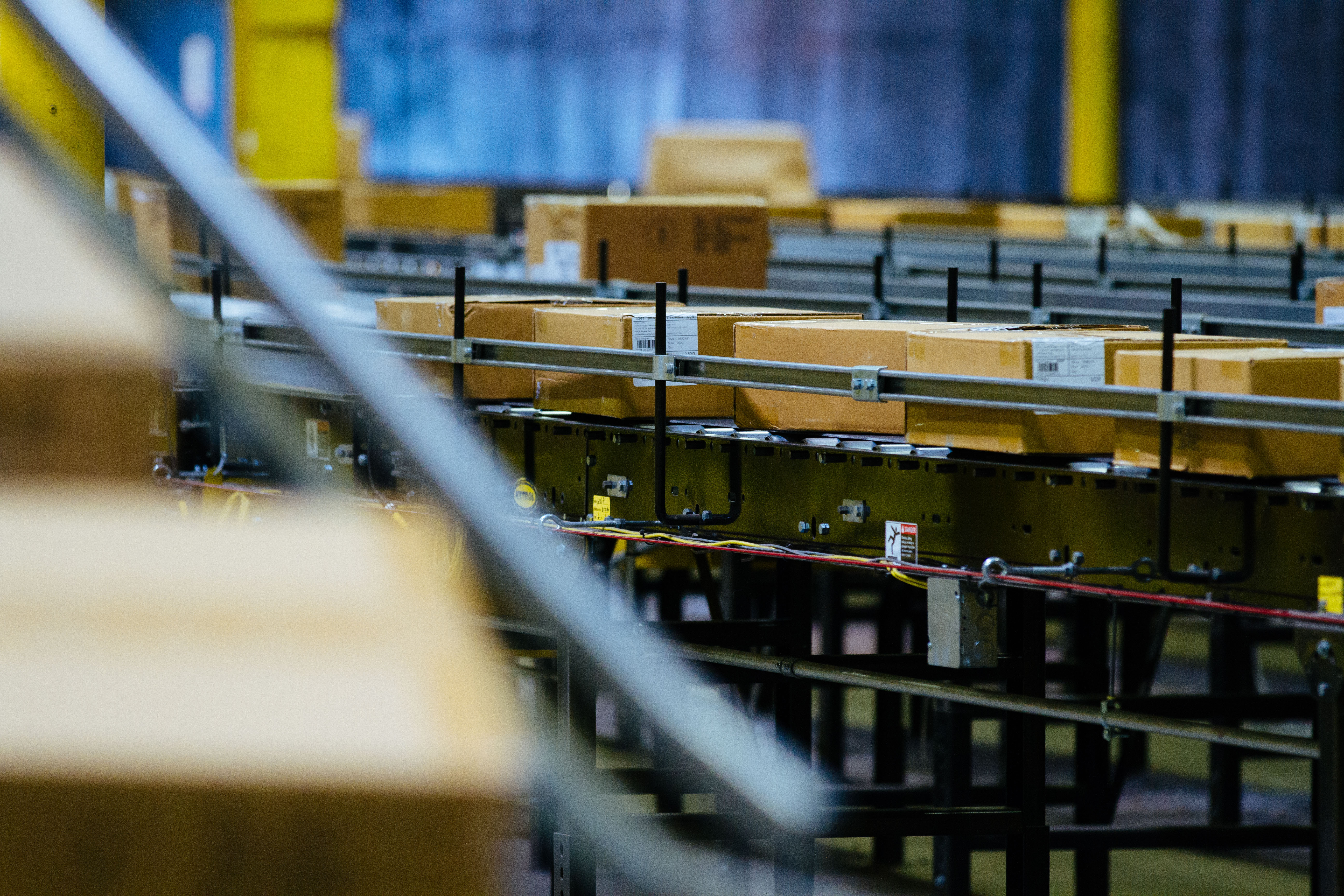
Stress tests on your distribution systems can come at any time, but “peak seasons” can be exceptionally tumultuous. Holidays, online shopping surges, product rollouts, and urgent deliveries can all place additional demands on equipment, space, and workforce.
Enhancing your conveyor system for these high-demand times is crucial for maintaining high throughput and short order times. Adopting effective material handling strategies can streamline flow, minimize bottlenecks, and ensure teams operate confidently. Let’s outline some actionable steps you can implement for optimizing distribution.
Identify Your Peak Seasons
Peak seasons are intervals when order volumes, SKU diversity, or service-level demands exceed the norm. In warehouse distribution and ecommerce, peaks often align with promotional events; 3PL and parcel services experience spikes linked to client activities; food and beverage may synchronize with harvests or production cycles. These fluctuations challenge merges, transfers, accumulation zones, and sortation concurrently.
As product numbers rise, minor inefficiencies can escalate into system-wide delays. You might notice congestion at merges and transfers, increased error rates due to hurried handling, longer recovery from brief stoppages, and diminished order visibility. Proactive planning and conveyor enhancement before volumes surge will help stabilize operations when it matters most.
Evaluate Your Conveyor System
Begin with a comprehensive understanding of product movement. Consider how products move from receiving to packing and distribution. Make documentation of these key areas:
- Transfer points
- Accumulation zones
- Decision nodes
Establish a baseline for cartons or items per hour by zone and factor in any unexpected downtime to understand your true capacity during peak periods.
Identify bottlenecks by digging into frequently congested areas, such as fully occupied accumulation lanes and manual processes that may slow automation.
Check for areas where orientation or size changes cause recirculation or signs of unstable flow:
- Sorter divert rates
- Induction spacing
- Gaps on inclines, declines, and curves

Even small irregularities, like uneven spacing, can become a big problem under peak loads.
Use metrics to quantify constraints. Track overall equipment effectiveness (availability, performance, quality), mean time between failures, mean time to repair, and energy usage per case. At the controls level, monitor photo-eye block times, zone occupancy, and device alarms.
Hytrol systems offer visibility tools that reveal these indicators in real time, supporting best practices for conveyor enhancement and optimizing conveyor systems for peak periods with informed decisions.
Enhance Your Conveyor Strategy
Successful system enhancement combines mechanical upgrades, controls optimization, and operational adjustments. Introduce automation that reduces manual handling and stabilizes flow. Accumulation conveyors with zone control help reduce pressure, maintain consistent gaps, and enhance singulation for scanning and sorting. This is essential for warehouse distribution and ecommerce optimization. Here are some quick notes that can assist with enhancing your strategy:
- Adjust speed profiles to meet peak demands while safeguarding product handling.
- Focus on merges, curves, and sortation lines where minor adjustments can yield significant benefits.
- Balance speed adjustments across adjacent zones.
- Explore layout modifications (dedicated fast lanes, bypass routes, or additional accumulation lines) to provide operators with necessary flexibility.
- Utilize real-time data to fine-tune flow.
- Monitor queue lengths, zone occupancy, and divert performance.
With Hytrol controls and refined zone logic, you can synchronize system behavior with staffing. During peak hours, alerts can enable you to redeploy labor to constrained areas, maintaining service levels.
Identify quick wins that reduce rework. Match carton or item sizes to conveyor specifications to prevent jams and no-reads. Standardize packaging and labeling to enhance scanning and minimize recirculation. Ensure print-and-apply, scanning, and weighing devices are calibrated and well-integrated so exceptions are quickly identified and resolved. Strategically stage replenishment to minimize backflow and keep pick faces stocked, preventing upstream congestion.
Create a Maintenance Strategy
Reliable performance during peak periods begins with proactive conveyor maintenance. Develop a preventative maintenance strategy covering major parts of your conveyor system, belt tracking and tensioning. Confirm sensor alignment, validate accumulation release under load, and conduct stress tests at anticipated peak rates to identify vulnerabilities before orders are at risk.
When issues arise, swift troubleshooting limits disruptions. Document common issues from previous peaks and post quick-reference guides at key zones so technicians can consistently resolve problems. This is one of the best practices that helps prevent repeat equipment failures.
Spare parts availability is crucial. Stock critical spares that are vital for machine operation such as belts, motors, rollers, photo-eyes, controllers, and wear components based on utilization and active cycles. Increase on-hand quantities for high-consumption items during peak periods and set reorder thresholds in your CMMS to prevent shortages. By having these parts in stock and readily available, downtime will be reduced in case of sudden equipment failure.
Hytrol and our integration partners can advise on stocking strategies tailored to specific models and operating profiles.
Prepare for Future Peaks
Designing with adaptability makes it easier to scale without extensive rework. Modular conveyor platforms, configurable accumulation, and versatile sortation enable you to add capacity or re-route flow as demand evolves in warehouse distribution. Reserve space for additional induction, accumulation, or packing stations, and design controls to support incremental expansion without causing downtime.
Integrate technologies that enhance visibility and decision-making. Advanced controls and centralized monitoring facilitate quicker adjustments based on actual conditions. Connecting conveyor controls to warehouse systems can help balance workloads across zones and shifts, which is key in e-commerce optimization and in optimizing conveyor systems for peak periods.
Equip your team for rapid adaptation. Provide targeted training on system behavior, safety, jam recovery, and exception handling. Cross-train associates at critical points like induction and quality checks to maintain coverage during peaks. Short pre-peak drills can help everyone know how to respond when demand surges.
The bottom line: combining a thorough evaluation, targeted improvements, disciplined conveyor maintenance, and a scalable plan will keep your operation resilient under pressure. Hytrol’s products, expertise, and support offer can keep you running efficiently, no matter the season.
Need help evaluating or implementing system improvements? Find a Hytrol Integration Partner near you.


