Maintaining Your Pallet Handling Conveyor: Tips for Longevity and Performance
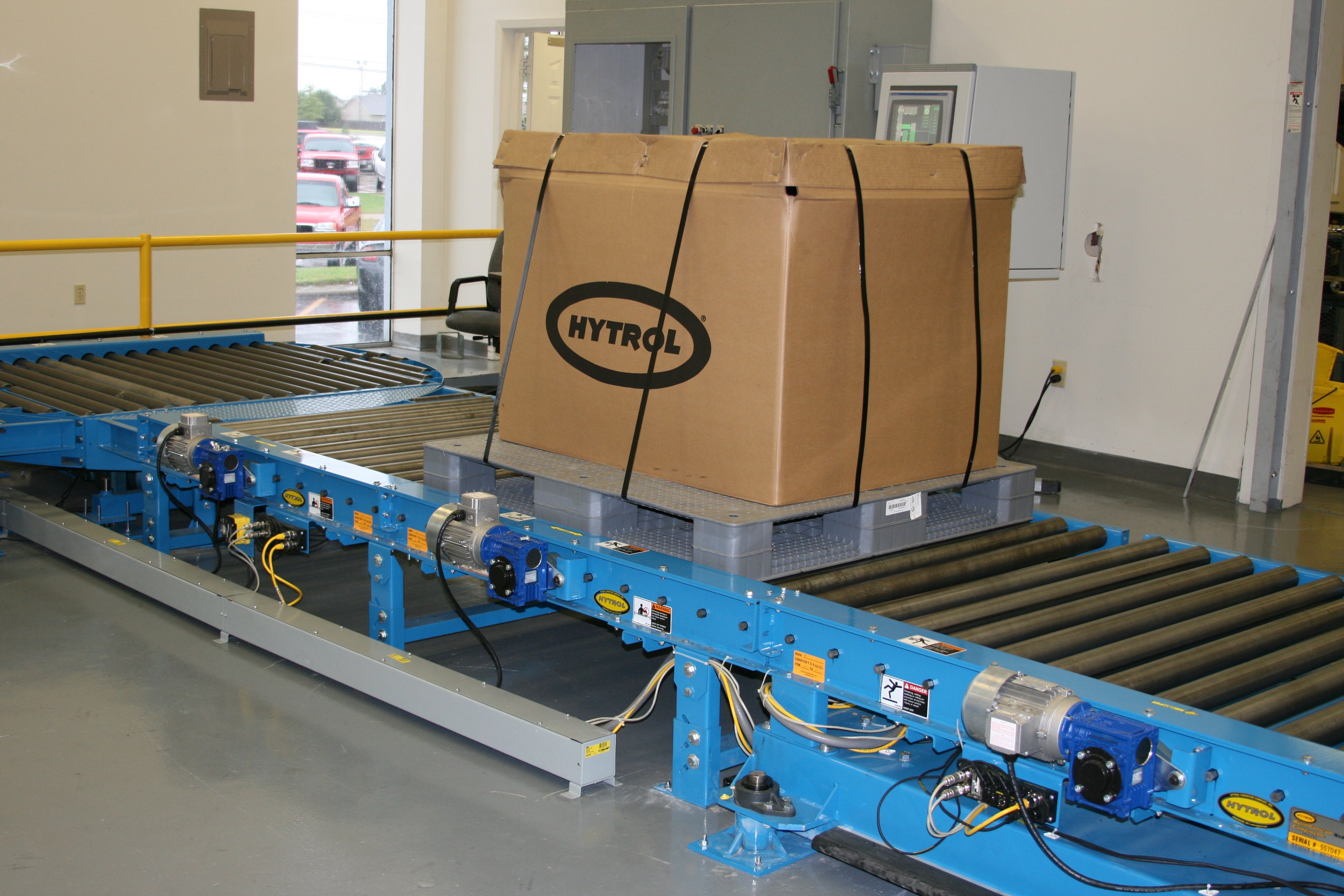
Pallet handling conveyors are systems specifically designed to move pallets through production lines, storage areas, or shipping zones with minimal manual labor. As such, pallet handling conveyors are the backbone of many warehouses and distribution centers. These systems are built to handle tough jobs and heavy loads. But like any hard-working piece of equipment, they need regular care to stay in top shape.
If you want to get the most out of your Hytrol pallet handling conveyor, proper maintenance isn’t just a good idea—it’s a necessity. Regular upkeep ensures your system runs smoothly, reduces downtime, and extends the lifespan of your investment.
Let’s walk through some key maintenance tips to keep your pallet handling conveyor performing at its best.
Perform Regular Inspections
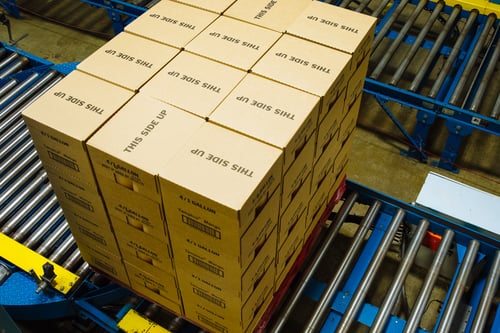 Think of conveyor maintenance like taking care of your car—you wouldn’t drive for years without checking the oil, right? The same goes for your conveyor system. Routine inspections help catch small issues before they turn into costly problems.
What to check:
- Rollers and Chains – Look for wear, misalignment, or buildup of dirt and debris.
- Bearings and Pulleys – Ensure they rotate smoothly without grinding or excess noise.
- Belts and Chains – Check for proper tension and look for fraying or stretching.
- Fasteners and Hardware – Tighten any loose bolts or screws to prevent components from shifting.
By making inspections a regular habit, you can spot minor issues before they become major headaches. How often you check these things will depend on the use level of your system and factory conditions such as temperature and dirt exposure.
Keep It Clean (But the Right Way!)
Dust, debris, and pallet fragments can accumulate over time, causing unnecessary strain on your conveyor. A clean conveyor runs more efficiently and lasts longer.
Cleaning tips:
- Remove debris regularly – Use a soft brush or vacuum to clear away dust and buildup.
- Avoid high-pressure washdowns – Unless your conveyor is rated for it, excessive moisture can lead to rust and component damage.
- Use manufacturer-approved cleaners – Harsh chemicals can degrade belts, chains, and rollers over time.
A little cleaning goes a long way in keeping your system running smoothly and preventing unexpected breakdowns.
Lubricate Moving Parts
Your conveyor’s moving parts work hard, and without proper lubrication, they can wear out quickly. Lubrication reduces friction, prevents overheating, and ensures smooth operation.
Best practices for lubrication:
- Use the right lubricant – Different conveyors require different lubricants, so always check your Hytrol manual for recommendations.
- Don’t overdo it – Too much lubricant can attract dust and debris, leading to buildup and inefficiency.
- Follow a schedule – Set up a maintenance calendar to track when lubrication is needed, focusing on bearings, chains, and rollers. Here is an example maintenance checklist schedule.
Regular lubrication helps prevent unnecessary wear and extends the life of your conveyor components.
Monitor Load Capacity
Pallet handling conveyors are designed to move heavy loads, but exceeding their weight capacity can lead to premature wear and potential damage.
How to prevent overload:
- Know your conveyor’s limits – Check the manufacturer’s specifications to ensure you’re within safe operating limits.
- Distribute weight evenly – Uneven loads can cause belts and rollers to wear unevenly or lead to system misalignment.
- Train staff on proper loading techniques – Make sure team members understand the importance of staying within capacity limits to prevent damage.
Overloading not only shortens the lifespan of your conveyor but can also create safety hazards for employees working nearby.
Monitor Pallet Construction
Along the lines of pallet maintenance, it’s equally important to inspect the condition of the pallets themselves before loading them onto the conveyor.
Poor-quality pallets can lead to equipment jams, uneven movement, or even damage to your system. When inspecting pallets, make sure they don’t have:
- Broken boards
- Missing boards
- Nails sticking out
Any of these issues can cause the pallet to catch on conveyor components, causing backups or physical damage. If faulty pallets are found, they should be either repaired or discarded to avoid putting your conveyor—and your productivity—at risk.
The Bottom Line: Proactive Maintenance Pays Off
A well-maintained pallet handling conveyor keeps your operations running smoothly and saves you from costly repairs down the road. By following these simple maintenance tips—regular inspections, proper cleaning, adequate lubrication, and load monitoring—you can ensure your conveyor system remains reliable for years to come.
At Hytrol, we understand the importance of keeping your conveyor in peak condition. If you ever need additional guidance, spare parts, or expert support, our team is always here to help.