The Impact of Impact Loading: What You Need to Know
When designing a conveyor system, it’s easy to focus on speed, flow, and layout—but overlooking how your product is introduced to the line can lead to costly consequences.
What Is Impact Loading?
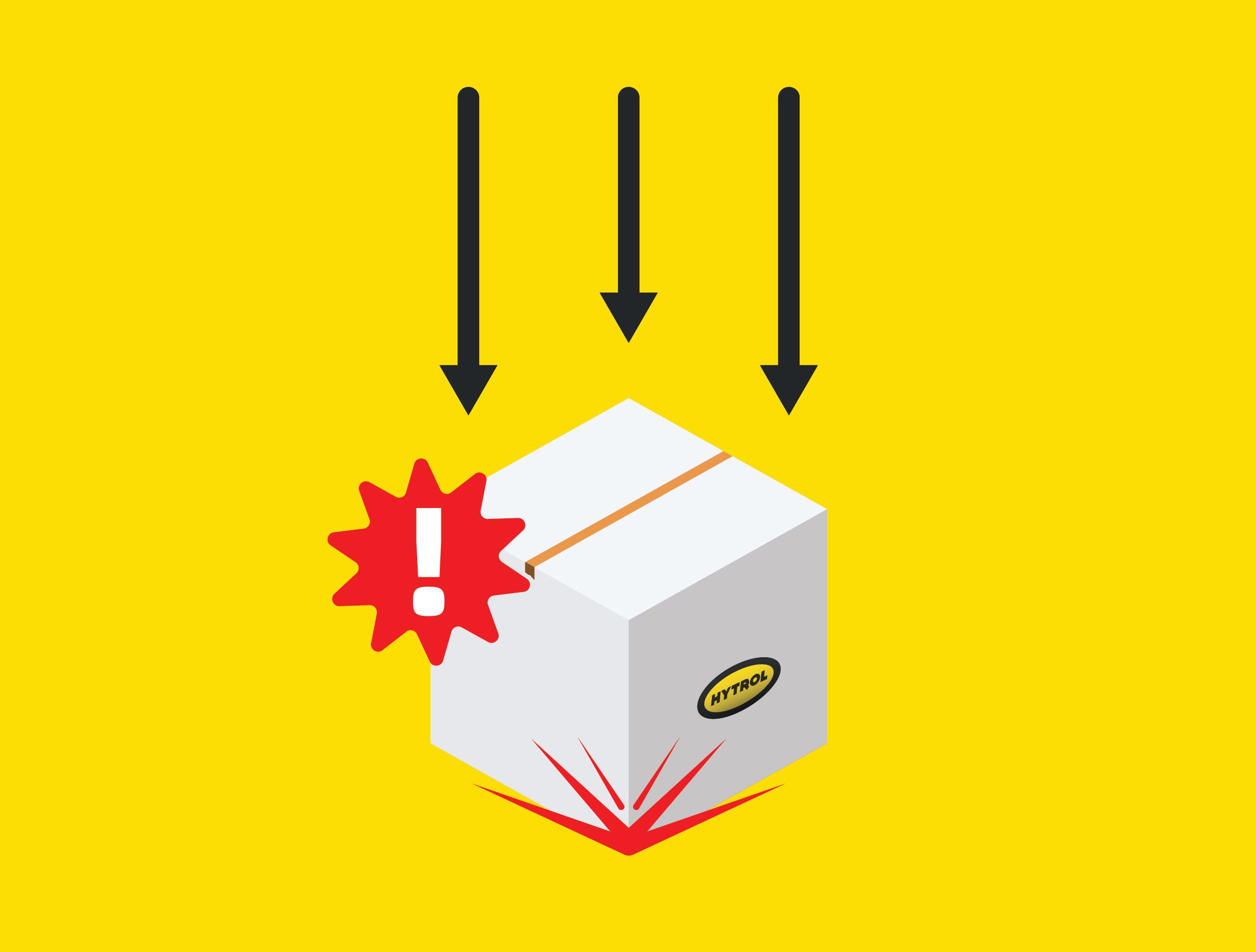
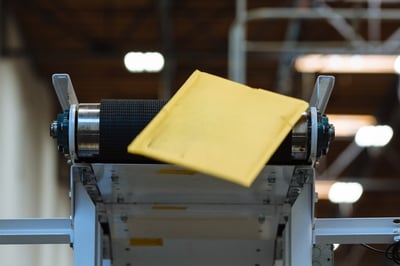
Impact loading refers to any time a product is dropped onto the conveyor instead of being placed or transferred in a controlled manner. Whether it’s product dropped from a forklift or falling from a mezzanine system above, this kind of loading puts stress on your equipment in ways it wasn’t designed to handle, especially on systems utilizing roller conveyors.
Why It’s a Problem
Repeated impact on roller conveyors can lead to:
- Frame damage: The hex holes in the frame that hold rollers in place can become deformed or elongated, eventually causing rollers to loosen or drop during operation.
- Roller damage: The rollers themselves may dent, bend, or break under repeated force.
- Reduced system reliability: A damaged conveyor leads to increased downtime, maintenance costs, and safety risks.
Roller conveyors are designed for smooth product transfer, not for absorbing shock. Think of the items entering and exiting the system like dancers on a dance floor, gliding in and out.
When Impact Loading Is Unavoidable
We understand that in certain environments or customer applications, impact loading can’t be avoided.
In these situations, such as where there is a mezzanine or pre-existing layout, Hytrol’s engineering team will evaluate the application to determine its feasibility. If impact loading is required, we strongly recommend a slider bed conveyor instead of a roller conveyor.
Why Slider Bed Conveyors Are the Better Choice
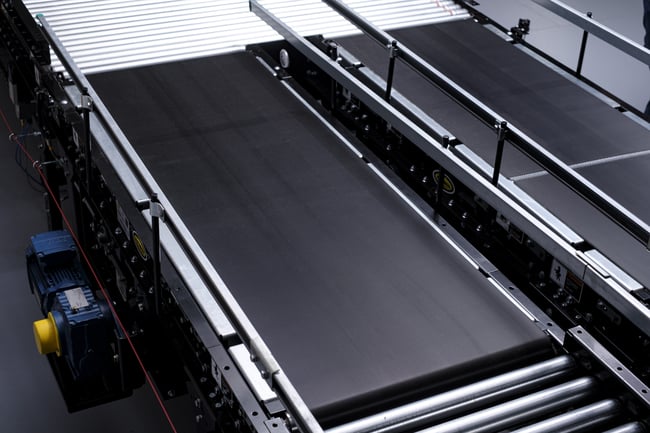
Unlike roller conveyors, slider bed conveyors offer a continuous surface that helps disperse impact force across the entire bed, minimizing concentrated damage.
Two excellent Hytrol options for these types of applications:
- SB Conveyor: A simple, dependable solution for light to medium loads
- TL Conveyor: Designed for heavy-duty applications, where impact cannot be avoided
Both options provide greater durability and longer lifespan under impact loading conditions than a roller bed application.